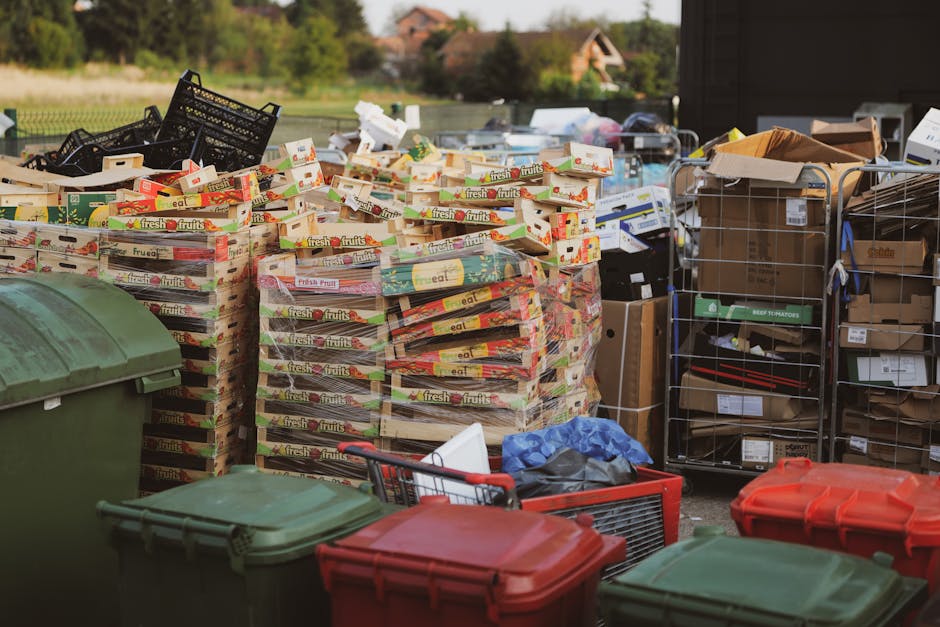
Rubbish collection restrictions Westminster Council what to know

If you live, work, or manage a property in Westminster, rubbish disposal can feel oddly complicated for something as ordinary as taking the bins out. One wrong move, and you may end up with missed collections, overflow on the pavement, or a quick note from building management asking you to sort it out. This guide to Rubbish collection restrictions Westminster Council what to know explains the practical rules, the common tripwires, and the easiest ways to stay on the right side of local expectations.
We will look at how restrictions typically work in Westminster, why they matter, what residents and businesses need to watch for, and how to plan your waste so collection day is not a nuisance. Truth be told, once you understand the rhythm of local collection rules, life gets a lot simpler.
Why Rubbish collection restrictions Westminster Council what to know Matters
Westminster is a busy, dense part of London. That alone changes how waste has to be managed. Streets are narrow, buildings often have shared access, and collections need to work around residents, businesses, visitors, and traffic. So the restrictions are not just bureaucracy for the sake of it. They help keep pavements usable, reduce nuisance, and make collection routes safer and more predictable.
If you have ever seen a bag split on the kerb at 7am, with coffee grounds and packaging blowing into the road, you already know why these rules exist. The inconvenience spreads fast. A small issue at one address can become a street-level problem by lunchtime.
Restrictions also affect what you can leave out, when you can leave it, and how it must be presented. In some cases, you may need extra permission for bulky items, commercial waste, or materials that need special handling. For landlords, letting agents, and small businesses, that can change the whole plan for end-of-tenancy clearances or office tidy-ups.
Expert summary: the main thing to remember is this: in Westminster, waste is not just about disposal, it is about presentation, timing, access, and responsibility. If one of those is off, the collection can quickly become a problem.
How Rubbish collection restrictions Westminster Council what to know Works
The practical side of rubbish collection in Westminster usually comes down to four things: what you are disposing of, how much there is, where it is being left, and who is collecting it. That sounds obvious, but in real life this is where most confusion starts.
Domestic collections generally follow local schedules and presentation rules. Commercial properties often face stricter expectations because business waste should be separated, documented where required, and removed without disrupting the public highway. Flat blocks and mansion blocks can add another layer: bin stores, concierge arrangements, and shared responsibility between residents and managing agents.
There are also practical restrictions that are not always written in the same language people use day to day. For example:
- Waste must be placed where crews can safely access it.
- Items should usually be bagged or contained, not loose.
- Bulky or awkward items may need a different collection route.
- Hazardous or electrical items may need separate handling.
- Overfilled bins or side waste can be rejected, especially where access is tight.
That is the overall shape of it. The exact details depend on the property type and the waste stream, which is why a one-size-fits-all approach rarely works in Westminster. A family flat, a restaurant, and a refurbishment project all create different headaches. No surprise there.
If you are organising a bigger clearance, it can help to plan around services such as waste removal or, for property-wide jobs, a more tailored option like home clearance or house clearance. Those pages are useful if the waste is beyond normal bin collection.
Key Benefits and Practical Advantages
Understanding the restrictions is not just about avoiding fines or awkward conversations with neighbours. There are real day-to-day benefits too.
- Cleaner access areas: Hallways, bin stores, and pavements stay clearer and safer.
- Fewer missed collections: If waste is presented correctly, crews can do the job without hesitation.
- Better smell control: This matters more than people admit, especially in summer.
- Less pest attraction: Food waste and damaged bags are obvious magnets for problems.
- Reduced dispute risk: In shared buildings, clear waste habits avoid finger-pointing.
- More efficient clearances: If you need a professional team, organised waste makes the job faster and tidier.
One practical advantage often missed is time. A well-managed waste routine saves repeated trips, less re-bagging, and fewer last-minute fixes when the collection window is closing. That may sound small, but in a busy Westminster street at 8:15am, it matters.
For businesses, it also supports a more polished front-of-house image. Whether you run an office, a salon, or a small hospitality space, guests notice when waste is spilling out of sightlines. The place feels calmer when the waste system is calm.
Who This Is For and When It Makes Sense
This topic matters for more people than you might first think. It is not just for residents with overflowing bins outside a flat. It also affects landlords, managing agents, shop owners, office managers, contractors, and anyone handling a one-off clear-out.
You should pay close attention if you are:
- moving out of a flat and have more rubbish than the regular bin can handle;
- running a business that generates recurring waste;
- clearing a loft, garage, basement, or storage room;
- dealing with broken furniture or bulky household items;
- managing builders' waste after refurbishment work;
- trying to keep shared bins under control in a block of flats.
It also makes sense if you are already hitting friction with access. Westminster properties often have stair-only access, timed loading restrictions, or shared courtyards. In those situations, the rulebook and the layout of the building are equally important. Neither one can be ignored, annoying as that may be.
For example, a top-floor flat clearance in a period conversion is a very different job from a ground-floor office tidy-up. If you need a more structured service, options like flat clearance or office clearance can be a far better fit than trying to piece everything together yourself.
Step-by-Step Guidance
Here is the simplest way to handle rubbish collection restrictions without overcomplicating the job.
- Identify the waste type. Separate ordinary household rubbish, recycling, food waste, bulky items, electricals, and anything potentially hazardous.
- Check access carefully. Think about gates, bin stores, stairwells, parking limits, and whether crews can actually reach the waste safely.
- Use the right container. Bags, bins, boxes, or specialist storage should match the material. Loose waste is where trouble starts.
- Keep collections within the expected timing. Do not put items out too early, and do not leave them sitting around after a missed slot.
- Separate special items. Fridges, mattresses, sofas, and similar items often need special handling. A general bag collection is not the answer.
- Confirm responsibility in shared properties. In flats or mixed-use buildings, clarify whether the resident, landlord, managing agent, or business is responsible.
- Arrange a backup plan. If standard collection is not enough, book a suitable clearance service before rubbish starts piling up.
A useful rule of thumb: if you are looking at the waste and thinking, "That probably will not be fine," it probably will not be fine. Better to sort it once than to drag the same bags back indoors. Nobody wants that smell lingering in the hallway.
If you are dealing with bulky household items, it can also help to review furniture disposal or mattress and sofa disposal so you are not trying to force oversized items into a routine collection system.
Expert Tips for Better Results
Most collection issues are avoidable with a bit of foresight. A few small habits make a big difference.
- Flatten packaging early. Cardboard takes up more room than people expect.
- Keep food waste sealed. Even a small leak can create a problem quickly.
- Bundle awkward items together. Loose bits and pieces are harder to move and easier to scatter.
- Store waste indoors until the right time. In Westminster, that often means less mess and less public clutter.
- Label shared containers where possible. It sounds simple, but it can reduce arguments in blocks of flats.
- Take photos before a clearance. Useful for landlords, agents, and tenants alike.
Also, be honest about volume. People often underestimate how much rubbish they have until it is all gathered in one place. Two bags hidden in the kitchen, a broken chair in the spare room, a printer in the office, and suddenly you have a proper load. It happens all the time.
If the job is part of a bigger property clean-up, services such as loft clearance, garage clearance, or furniture clearance can save you from piecemeal disposal. That is often the tidiest route, especially when you want the space back in one go.
Common Mistakes to Avoid
There are a few classic errors that keep showing up, and yes, most of them are entirely preventable.
- Leaving side waste beside bins: If the collection system does not allow it, the rubbish may simply be left behind.
- Putting out items too early: This can lead to obstruction, mess, or complaints from neighbours.
- Mixing unsuitable waste streams: Food waste, recyclables, and general rubbish are not always interchangeable.
- Ignoring special disposal needs: Appliances, mattresses, and some bulky items are not normal bin items.
- Underestimating access issues: A narrow mews, locked bin store, or basement stairwell can turn a simple job into a slog.
- Assuming someone else will sort it: In shared buildings, that assumption tends to backfire.
Practical note: the biggest mistake is usually not the wrong item, but the wrong plan. Waste becomes a headache when no one has clearly decided who is doing what, and by when.
That is especially true after refurbishments or end-of-tenancy moves. If you have building debris involved, a dedicated builders waste clearance service may be a better match than trying to push materials through ordinary collection channels.
Tools, Resources and Recommendations
You do not need a complicated toolkit to manage rubbish properly. In most cases, a few practical items and a bit of planning do the job.
- Heavy-duty bin bags: Better than thin bags that split halfway to the bin store.
- Reusable crates or boxes: Helpful for moving sorted waste without spillages.
- Labels or marker pens: Particularly useful in shared buildings and offices.
- Gloves and basic cleaning supplies: Not glamorous, but worth having nearby.
- Measurement or room-by-room planning: Helps you estimate how much waste you have before collection day.
For anyone comparing disposal choices, the following pages may help you plan a better route: pricing and quotes for cost planning, recycling and sustainability for greener disposal habits, and what can go in a skip if you are weighing up skip use versus a collection service.
If the waste includes electricals or appliances, take extra care. A broken fridge, for instance, is not just another bulky item. If that sounds familiar, review fridge and appliance removal so you can avoid mixing it into general waste by mistake.
Law, Compliance, Standards, or Best Practice
Waste handling in Westminster is shaped by broader UK waste obligations and by local operational rules. Without getting tangled in legal jargon, the main principle is simple: waste must be stored, presented, and removed responsibly.
For households, that usually means following the council's collection arrangements and making sure waste is not causing obstruction or nuisance. For businesses, there are stronger duties around arranging proper waste services, storing waste safely, and keeping it separate where required. If you produce commercial waste, you should not treat it like leftover household rubbish. That is the sort of shortcut that looks easy until it causes a compliance headache.
Best practice usually includes:
- keeping waste secure and contained;
- avoiding contamination between waste types;
- storing items safely until collection;
- using suitable carriers for specialised or bulky waste;
- documenting arrangements where your business processes require it.
For commercial properties, services such as business waste removal can help keep things organised and reduce the risk of ad hoc disposal decisions. If waste involves anything potentially harmful, do not wing it. A proper hazardous waste disposal approach is the safer, more sensible route.
And a small but important point: if you are unsure whether an item is ordinary waste, bulky waste, or something more sensitive, treat it cautiously and ask before disposal. Guessing is rarely the winning strategy here.
Options, Methods, or Comparison Table
Most people in Westminster end up choosing between a few basic disposal methods. The right choice depends on volume, timing, access, and the type of waste. Here is a simple comparison.
| Method | Best for | Pros | Watch-outs |
|---|---|---|---|
| Routine council collection | Standard household waste and recycling | Simple, familiar, usually low effort | Limited volume, strict presentation rules, less flexible for bulky items |
| Skip hire | Larger clear-outs and ongoing waste during projects | Good capacity, convenient on suitable sites | Space needed, permit considerations, and a need to know what can go in a skip |
| Man and van style waste removal | Mixed loads, bulky items, quick clearances | Flexible, often quicker for awkward jobs | Should still be used responsibly; not every item is suitable for mixed loading |
| Specialist item removal | Mattresses, fridges, appliances, sofas, or sensitive waste | Safer handling and better item-specific treatment | Needs proper categorisation in advance |
In many Westminster properties, the best answer is not one method forever, but a mix. Routine collections for day-to-day waste, and a proper clearance for the big jobs. That is usually the least messy way to live with the restrictions.
Case Study or Real-World Example
A typical Westminster scenario goes like this. A tenant leaves a one-bedroom flat after a long stay, and the property manager discovers a mix of bagged rubbish, a broken bedside table, an old mattress, and several boxes of flat-pack packaging. The regular bin store is already tight, the street is busy, and collection day is close.
If they try to push everything into the normal bin arrangement, some of it may be rejected, and the rest may clutter the shared entrance. The better move is to separate the waste first: general rubbish in contained bags, the mattress handled as a specific item, and the furniture booked through a suitable clearance route. If any packaging is clean enough to recycle, that should be kept apart too.
Once organised, the job usually becomes much calmer. Less back-and-forth. Less stress. Fewer "who left this here?" conversations in the hallway at 8 o'clock on a wet Tuesday morning, which is never ideal anyway.
In cases like this, a combination of flat clearance and targeted mattress and sofa disposal can be much more practical than relying on collection rules alone.
Practical Checklist
Use this quick checklist before putting rubbish out in Westminster.
- Have I identified the waste type correctly?
- Is everything bagged, boxed, or otherwise contained?
- Will the waste obstruct foot traffic, entrances, or shared access?
- Do any items need specialist handling?
- Have I separated recyclables from general rubbish where possible?
- Is the timing right for collection day?
- Have I checked who is responsible in a shared property?
- Do I need a larger clearance service for bulky or mixed waste?
- Would a targeted service be cleaner and simpler than trying to improvise?
- Have I planned for the waste not to sit around longer than necessary?
Quick reminder: if the answer to any of these is "not really," pause and sort it out first. It saves time later. Usually a lot of time.
Conclusion
Rubbish collection restrictions in Westminster can feel strict at first, but they make far more sense once you look at the area's pace, density, and building layout. The key is not to fight the system. Work with it. Sort waste early, separate the awkward items, keep access clear, and choose the right disposal method for the job in front of you.
For many households and businesses, that means planning beyond the regular bin round and using a more suitable clearance approach when needed. Do that well, and the whole process becomes smoother, tidier, and much less stressful. Honestly, that is worth a lot on a busy London street.
Get a free quote today and see how much you can save.
If you want a broader look at the company behind these services, you can also review the about us page, or get in touch through the contact page when you are ready to discuss a specific clearance. And if you are weighing convenience against security, the payment and security information is there for peace of mind.
Frequently Asked Questions
What are the main rubbish collection restrictions Westminster residents should know about?
The main restrictions usually relate to what can be put out, how it should be presented, when it can be left, and whether the collection point is safe and accessible. In shared buildings, there may also be bin store rules and responsibility split between residents or management.
Can I leave bulky items next to the bins in Westminster?
Not automatically. Bulky items often need a separate arrangement or a specific collection method. Leaving them beside bins can lead to refusal, clutter, or complaints, so it is better to check the correct route first.
What happens if my waste is mixed up or contaminated?
Mixed waste can be harder to collect or may be rejected depending on the type and the collection method. It can also create extra sorting work and, in commercial settings, compliance problems. Separate streams wherever you can.
Do businesses in Westminster have different rubbish rules from households?
Yes, usually. Business waste is typically subject to stricter handling expectations, and it should be managed through a suitable commercial arrangement rather than treated like leftover household rubbish.
What should I do if I have a full flat clearance rather than ordinary rubbish?
Use a clearance service rather than relying on normal collections. A flat clearance is more suitable for mixed household items, furniture, and accumulated waste that goes beyond routine bin capacity.
Are fridges, mattresses, and sofas treated differently?
Often yes. These items are bulky, awkward, and may require specific handling. It is better to separate them from ordinary rubbish and use the right disposal route for each item.
How can I avoid missed collections in a shared Westminster building?
Keep waste contained, follow the building's access rules, and make sure the collection point is clear. In shared properties, simple labelling and good communication go a surprisingly long way.
Is skip hire always the best option for rubbish in Westminster?
Not always. Skip hire works well for larger jobs, but access, space, and waste type all matter. For mixed bulky waste or tight access, a collection-based clearance may be more practical.
What if I am not sure whether an item counts as hazardous waste?
Do not guess. Hazardous waste needs careful handling, so if there is any doubt, treat the item cautiously and use the appropriate disposal route rather than mixing it in with general rubbish.
Can I use one service for furniture, appliances, and general rubbish together?
Sometimes, yes, if the service is designed for mixed loads and the items are acceptable. For example, furniture clearance, appliance removal, and general waste removal can work together if planned properly and handled safely.
What is the smartest first step if I am overwhelmed by rubbish restrictions?
Start by sorting the waste into clear groups: general rubbish, recycling, bulky items, and anything specialised. Once that is done, it becomes much easier to decide whether routine collection is enough or whether you need a dedicated clearance service.
How do I choose between recycling, removal, and skip options?
Think about volume, access, and the mix of materials. Recycling suits clean separated items, removal suits mixed or bulky loads, and skips suit larger projects where space and permits are manageable. If you are unsure, comparing the job against your access and timing is usually the easiest way to decide.